
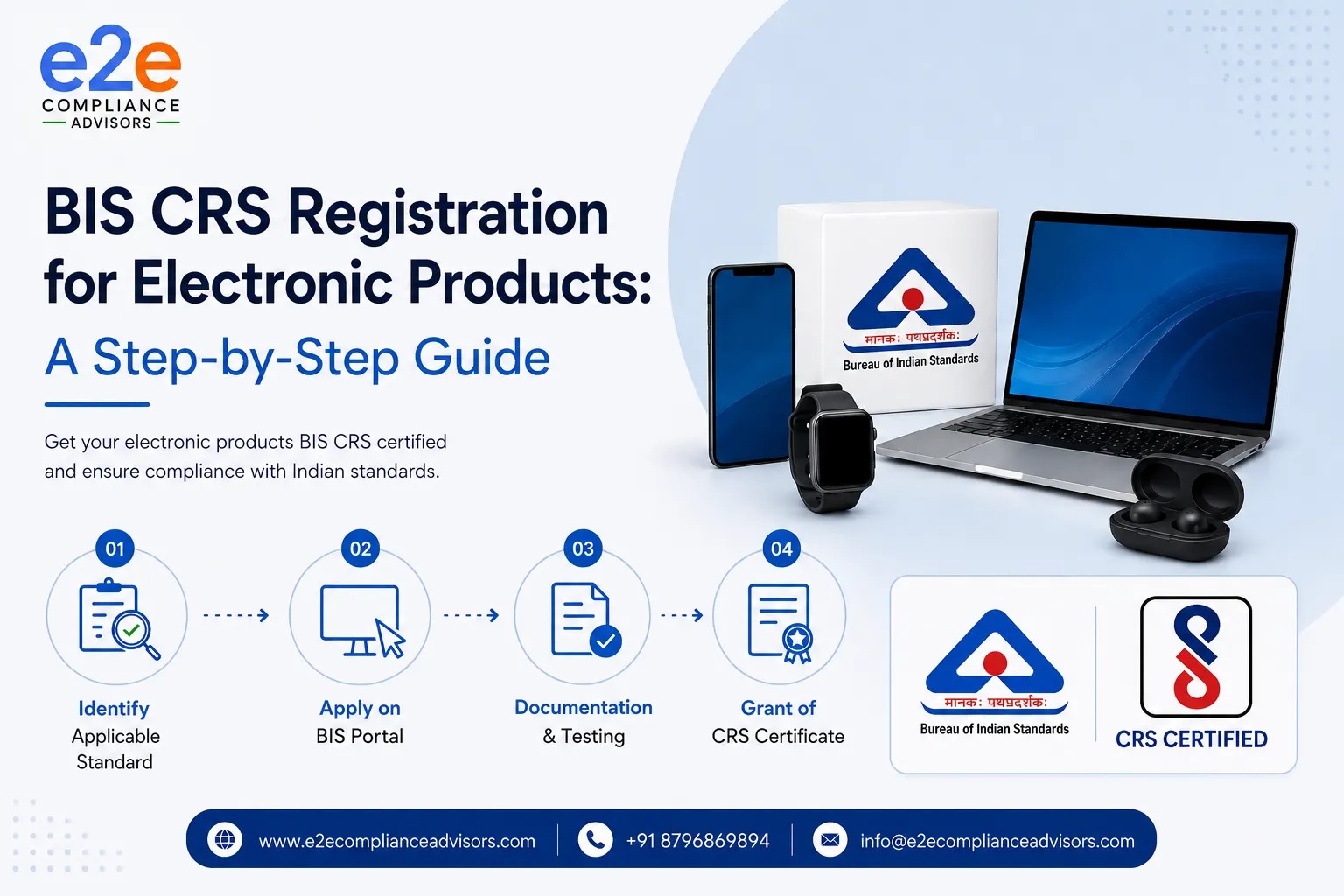
Selling electronics to a billion people requires a secret password. You might have the best hardware on the planet, but regulators will ignore it unless you play by their rules. Securing your BIS CRS registration is the exact key that unlocks the Indian market for your brand.
The Bureau of Indian Standards created the Compulsory Registration Scheme BIS to keep dangerous, subpar electronics out of local homes. Going through these governmental rules might seem like solving a mystery wrapped in a riddle. By walking through this detailed BIS CRS certification guide, you will learn exactly how to clear the hurdles and bypass the red tape while getting your tech into the hands of eager buyers. It is time to turn confusion into clarity and transform those warehoused boxes into actual sales.
Understanding the Compulsory Registration Scheme BIS
A secret code exists to protect average buyers from faulty gadgets. Government regulators designed these specific rules to prioritize basic human safety and strict performance guidelines. You must go through the whole process of BIS CRS registration for electronic products in India to prove your items meet national safety standards before ever attempting to sell them locally.
While the traditional ISI mark usually requires rigorous factory audits and ongoing physical inspections, the CRS path operates on an entirely different logic. It relies purely on upfront testing and self-declaration for specific consumer goods. When the government first rolled out this mandate back in 2012, it only covered fifteen item types. Today, that requirement list has exploded into a massive catalog. It now includes more than seventy-five unique product categories. Mastering CRS registration for electronics means proving your hardware will not overheat, short-circuit, or cause harm to the end user. Ignorance of this scheme is not an acceptable excuse; the authorities will simply ban your cargo at the border.
Who Needs BIS CRS Registration for Electronic Products?
Every single entity building hardware for Indian consumers must step up to the plate. Domestic factories have straightforward requirements to follow, but foreign companies face a slightly trickier maze. You might mistakenly assume an importer can simply handle the paperwork and clear customs on their own. That assumption is entirely false and leads straight to rejected applications.
“Foreign manufacturers are legally restricted from applying directly for certification. Instead, overseas producers must appoint an Authorized Indian Representative to act on their behalf in the Republic of India. You need BIS CRS registration if you need to assemble smartphones, build high-end laptops, or manufacture basic LED drivers. Because the government updates these rules constantly, you must check the official gazettes to confirm if your specific gadget falls under the current mandate. The responsibility always rests on the manufacturer, no matter where your physical factory happens to sit on the globe.
The CRS Registration Process in India
Knowing what comes next stops you from drowning in the dark. The setup plays out in exactly three stages. Give every step your full attention, because trying to cheat the system only guarantees a long, painful wait.
1st Phase: Product Testing
Before you even look at a government portal, your device needs to pass the ultimate physical exam. You must send your hardware to a recognized, accredited local laboratory for rigorous safety checks. Getting BIS CRS registration for electronic products requires passing these physical tests first. The technicians will push your items to their absolute limits to test voltage safety, heat resistance, and general structural integrity.
The clock starts ticking the moment you receive a passing grade. Those really hefty test reports are valid for 90 days only. If you miss that submission window, you have to initiate the entire testing phase all over again, paying the full lab fees a second time while waiting weeks for just a fresh spot in their queue.
2nd Phase: Portal Registration & Submission
Once you have valid lab results in hand, the real paperwork begins. You will create an official account on the national government portal. Here, you will meticulously upload every single document required. This includes your brand-new test reports, detailed technical specifications of your manufacturing unit, and the official nomination letter for your local representative. Everything must line up perfectly. The portal operates strictly, and a single missing page or corrupted file format will stop your progress cold. You must also declare all your critical components and exactly where you sourced them to prove complete transparency.
3rd Phase: Scrutiny and Grant
Now comes the waiting game. Officials will review your submitted files with a highly critical eye. They actively look for any mismatched data, missing signatures, or contradictory claims regarding your factory location. Once they give the green light, they issue your unique registration number and grant permission to use the standard mark.
Completing your CRS registration for electronics successfully means you can finally print that required safety logo directly on your product packaging. Once that logo is placed, you have full legal permission to start shipping to buyers. The mystery is solved, the doors open, and your sales can finally begin.
Navigating the BIS CRS Certification Guide: Key Documents
Gathering your files translates to packing for a long, unpredictable expedition. Forget one crucial item, and your journey ends abruptly with no destination. Achieving successful BIS CRS registration demands absolute precision and extreme attention to detail. Your most critical papers include your factory business license, your official trademark certificate, and the AIR nomination form.
Here lies the trap that catches many smart founders off guard. Every single document must match the exact company name and physical address. Even a tiny bit of a spelling mistake, an extra space, or a missed comma can trigger a mammoth rejection delay. Consistency is your greatest but only weapon. Keep all translations certified, plus all stamps clearly visible.
Cost and Timelines for CRS Registration for Electronics
Money and time are the two resources you can never afford to waste. You should budget carefully for the entire journey to avoid sudden financial surprises right before launch. Expect to pay application fees directly to the government, separate charges to the testing laboratory, and compensation for your designated representative.
As mentioned earlier in this BIS CRS certification guide, the official government processing window usually takes fifteen to twenty days after they acknowledge your complete file. That official timeline only tells half the story. Getting from your first lab test to a final approval requires a bit more patience. If you want to be realistic, the complete CRS registration process in India takes about two to three months. Your exact speed depends entirely on open testing slots, how fast your physical samples ship, and having every single document perfectly prepared. Prepare your bank account and your launch calendar accordingly so you never leave buyers waiting.
Your Partner in Compliance: e2e Compliance Advisors
Walking through a regulatory jungle alone is a terrible idea. e2e Compliance Advisors acts as your experienced guide, cutting through the red tape so you can focus entirely on building your business. Our experts specialize in securing your BIS CRS registration without the typical stress, delays, and confusion that plague newcomers.
We know every hidden pitfall within the Compulsory Registration Scheme BIS and precisely how to avoid them before they cost you money. Beyond consumer electronics, our seasoned team handles strict medical device approvals like CDSCO and MD-15. We also manage complex environmental mandates like E-waste and Plastic Waste Extended Producer Responsibility. If you need basic startup help, we can process your IEC codes and MSME filings to get your operations running legally. We take the heavy administrative burden off your shoulders, clearing the path to your market launch.
Conclusion
Following the rules is not just a bureaucratic chore forced upon you by regulators. Completing your BIS CRS registration proves your ultimate dedication to consumer safety and long-term product excellence. When buyers see that standard mark stamped on your item, they know your hardware meets top-tier safety requirements. By sticking to the correct regulatory procedures, you build immediate market trust and protect your brand from costly legal headaches down the road. Let our dedicated professionals take the guesswork out of your product launch strategy. Reach out to e2e Compliance Advisors today to get your hardware cleared, certified, and ready for retail shelves.
Acronyms Used
AIR: Authorized Indian Representative
BIS: Bureau of Indian Standards
CDSCO: Central Drugs Standard Control Organisation
CRS: Compulsory Registration Scheme
EPR: Extended Producer Responsibility
IEC: Importer Exporter Code
MSME: Ministry of Micro, Small & Medium Enterprises
FAQs
Can a foreign brand apply for BIS CRS registration directly?
No. Foreign manufacturers must hire an Authorized Indian Representative to handle the paperwork. You cannot bypass this rule.
How long does the CRS registration process in India actually take?
Plan for two to three months. The government takes about twenty days to review your file, but lab testing and document prep take up the rest of your time.
Does every single gadget fall under the Compulsory Registration Scheme BIS?
Not everything. The government currently lists over seventy-five specific categories, like laptops and smartwatches. You must check the official gazette to see if your exact product requires testing.
Does CRS registration for electronics expire?
Yes. Your initial approval lasts for exactly two years. You must renew it before that deadline to keep selling your items legally.
What is the very first step to get BIS CRS registration for electronic products?
Testing comes first. Before you submit a single form online, your hardware must pass physical safety checks at a recognized local laboratory.